

With the presentation of the new generation Mercedes-Benz eCitaro, Daimler Buses is adding a new chapter to its electrification strategy: From 2030, Daimler Buses intends to offer only electrically powered city buses in its new-vehicle business in Europe. At the same time, the company states a consistent competitive framework across Europe and faster expansion of public charging infrastructure is needed. Daimler Buses CEO Till Oberwörder is thereby calling for the CO₂ regulations to be linked to the actual expansion of the charging infrastructure and for the target year for intercity buses and coaches to be postponed from 2030 to 2033.

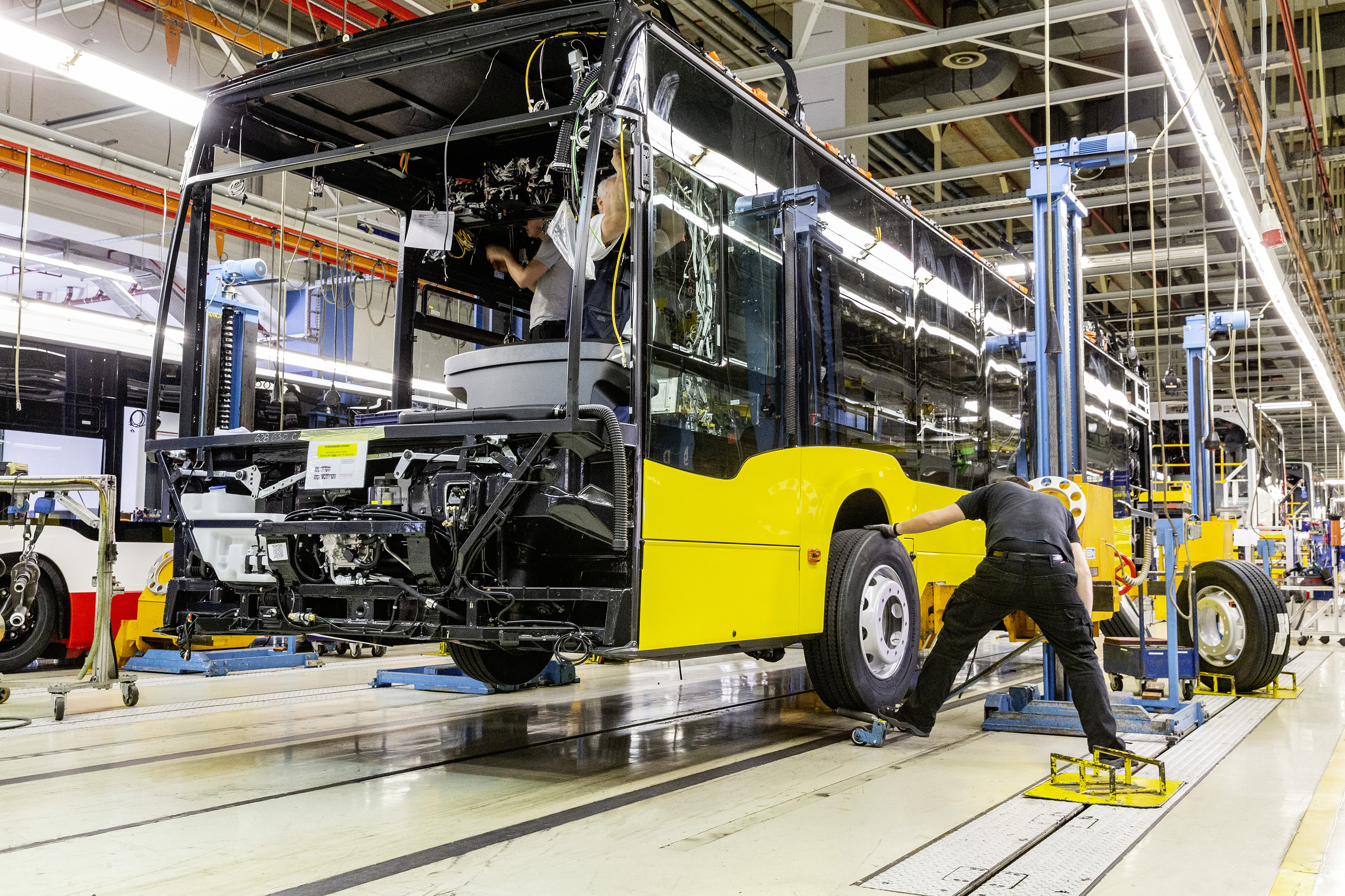
Daimler Buses says it supports the European Union’s plans to strengthen industrial value creation in Europe through the so-called “Industrial Accelerator Act.” The aim is to increase demand for low-CO₂ products manufactured in Europe, but the company also states that the specific design of the legislation will be crucial and that a critical view of proposals that would impose additional, complex requirements on manufacturers, is needed. Till Oberwörder, CEO of Daimler Buses: “We are clearly committed to Germany and Europe as business locations: This is where we are developing and producing the next generation of our electric city bus. Europe has the expertise and the industrial base for the mobility of the future. The EU must create the right conditions to ensure that industrial value creation here remains competitive. To achieve this, we need simple and consistent rules across national borders, without exceptions. And we need them now, not in the next decade.” As with the current eCitaro, development of the new generation eCitaro is being led by Daimler Buses facilities in Mannheim, with production planned in Germany, France and the Czech Republic.
For electric city buses targeted national funding programs have played a key role. According to analyses by Daimler Buses, two out of three city buses sold in Europe in 2025 were electrically powered. The company therefore takes a very critical view of the cuts to electric bus funding being discussed in Germany for 2027 and is calling for funding to continue at its current level. However, charging infrastructure requirements differ significantly depending on the area of application: City bus operators can install charging infrastructure at their depots. For intercity buses and coaches public charging points along their respective routes are critical. According to industry association ACEA, around 35,000 charging points for heavy-duty vehicles will be needed along Europe’s main transport corridors by 2030, as well as more than 14,000 additional charging points for buses.
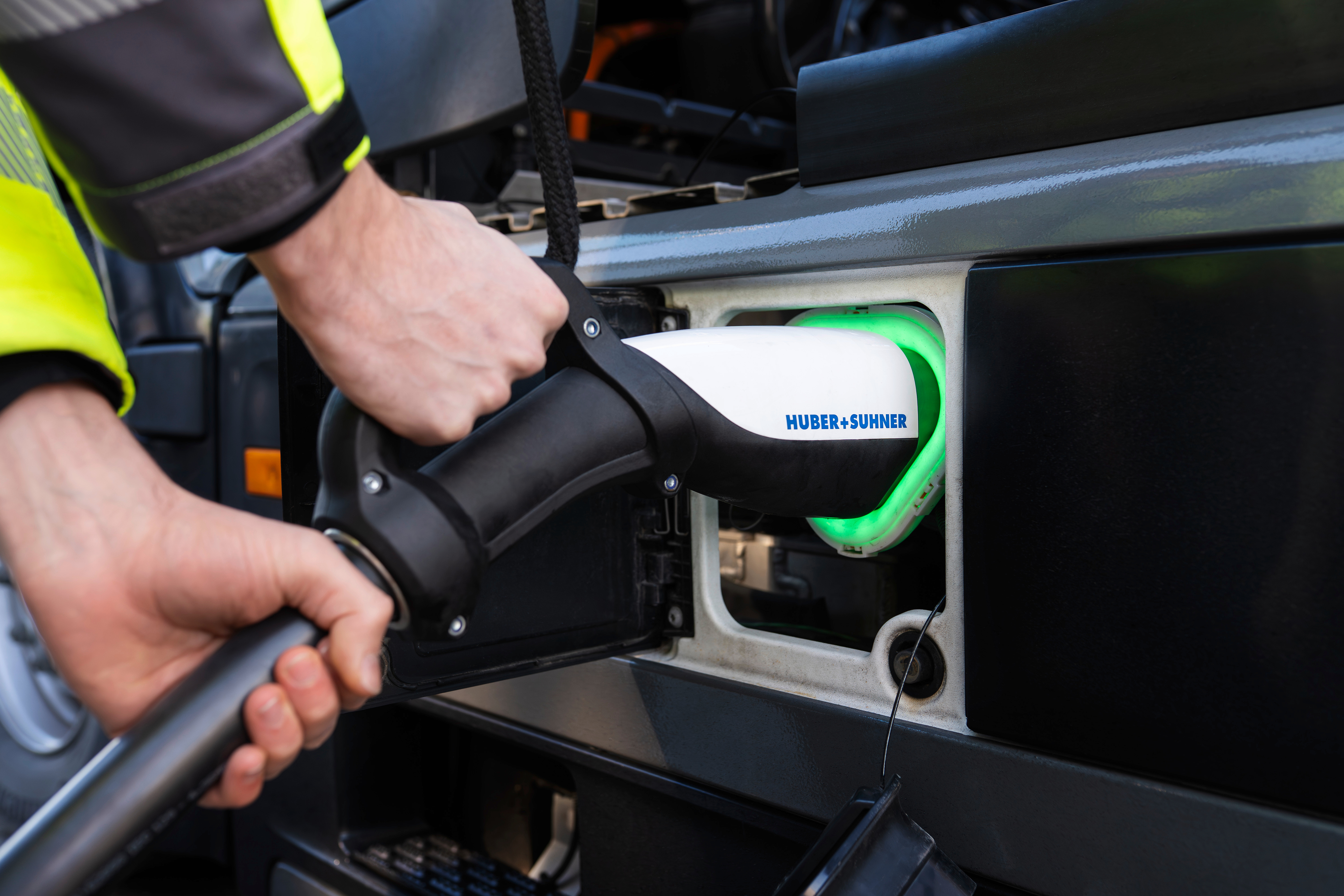
With regard to the CO₂ targets the EU requirement stipulates that, from 2030, 90 percent of city buses newly sold, registered or put into service in the European Union must be CO₂-neutral. Daimler Buses states it supports this target given the advanced electrification of the city bus market. But the company takes a different view of the situation for intercity buses and coaches. Here, CO₂ emissions are to be reduced by 43 percent from 2030 compared with the relevant reference value (2025/2026). For this target to be achievable, Daimler Buses finds that the EU and its member states "would have to significantly accelerate the expansion of public charging infrastructure and enable the vehicles to be operated economically, but from today’s perspective, however, it is not foreseeable that this will happen in time." Daimler Buses is therefore calling for the upcoming review of the CO₂ regulations to be linked to the actual expansion of the charging infrastructure and for the target year for intercity buses and coaches to be postponed from 2030 to 2033. Till Oberwörder: “We support ambitious CO₂- targets in Europe. What matters is that the framework conditions are in place to support them. Our vehicles will be available in time, but the necessary public charging infrastructure most likely will not. Without it, our customers cannot operate the vehicles economically. Building this infrastructure is not the responsibility of vehicle manufacturers. Anyone setting targets must also create the conditions needed to make them achievable. Otherwise, the transformation will become a competitive disadvantage for European industry.” Nevertheless, Daimler Buses says it intends to contribute to further advancing the development of public charging infrastructure for electric buses.
