

It all started 160 years ago in the German city Esslingen as Jakob Eberspaecher founded a small tinsmith's workshop. Now the company is focussing on innovations for the future "as a technology-driven company" and is entering new business areas through partnerships. This includes the field of hydrogen and battery management system.
“As a technology-driven company, we offer a broad product portfolio. This includes every type of drive system, as well as the option of further developing these outside the automotive environment. The transfer into new business areas opens up opportunities,” emphasizes Managing Partner Martin Peters. Together with a Danish technology company Eberspaecher developed a concept for the industrial production of high-temperature electrolyzers for the production of hydrogen. The first two four-ton units are delivered at the beginning of June. Purem by Eberspaecher is also working with a German start-up on the
“As a technology-driven company, we offer a broad product portfolio. This includes every type of drive system, as well as the option of further developing these outside the automotive environment. The transfer into new business areas opens up opportunities,” emphasizes Managing Partner Martin Peters. Together with a Danish technology company Eberspaecher developed a concept for the industrial production of high-temperature electrolyzers for the production of hydrogen. The first two four-ton units are delivered at the beginning of June. Purem by Eberspaecher is also working with a German start-up on the
production of pressure vessels to enable the safe and cost-effective storage and transportation of the energy carrier. Also the Esslingen-based company recently announced further collaborations in other business areas: As part of the joint venture concluded in 2025 with the Dutch expert for energy storage systems Zeliox, Eberspaecher is expanding its portfolio to include mobile power sources for special vehicles. Eberspaecher has developed a battery management system with a connection to the passenger car power grid. The company contributes this hardware and software expertise to the development and distribution of low-voltage batteries as part of a strategic partnership. They are used for applications in starter, back-up and mild hybrid batteries.
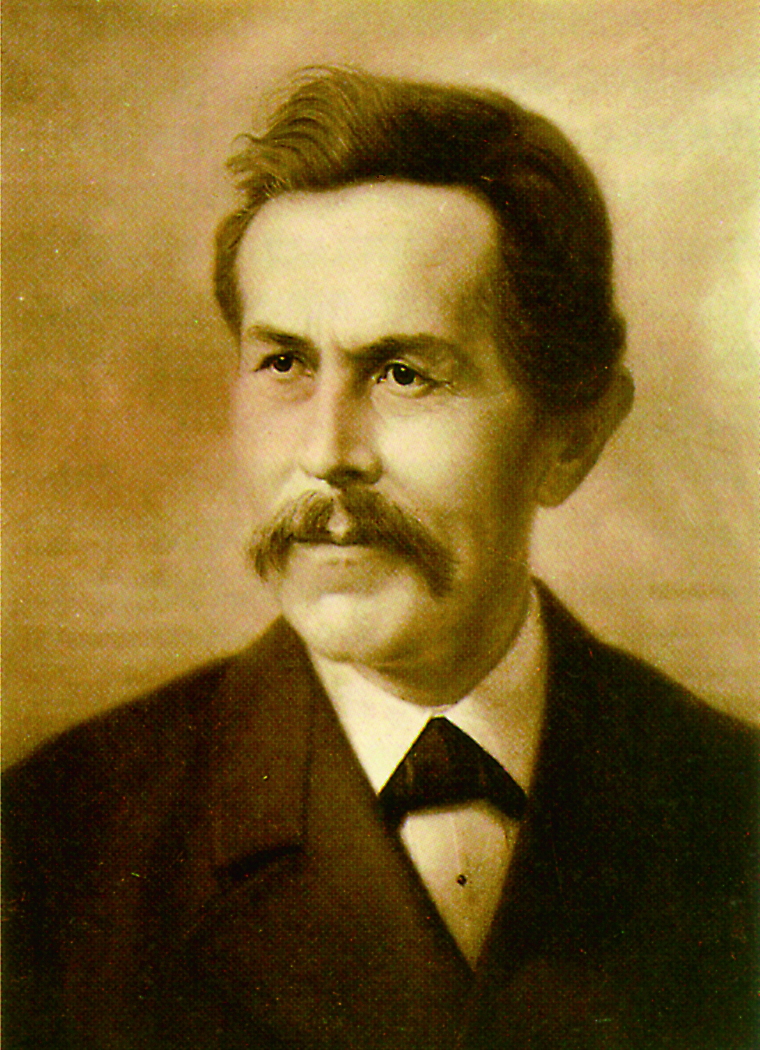
But as said, it all started in 1865. Initially, Jakob Eberspaecher manufactured everyday items such as watering cans and gutters, but soon expanded his business to include industrial customers, supplying them with sheet metal spools for spinning mills, among other things. He achieved a technical breakthrough in 1886 with putty-free window glazing on sheet metal bars, which became particularly popular in hall construction and accelerated the company's growth. The first factory building was constructed in 1900, followed by the first foreign subsidiary in Austria in 1913.
In the 1930s, Eberspaecher tapped into a new business area: the automotive industry. In light of the global economic crisis, the idea arose to process sheet metal into silencers. At the same time, the development of vehicle heating systems began. From the 1950s onwards, the company supplied both pre-heaters and exhaust systems – with growing success. Innovations such as the early use of
catalytic converters (in series production since 1974), electric auxiliary heaters, and high-voltage heating devices for electric vehicles characterize the company's history. Eberspaecher set its sights on vehicle electronics as early as the 2000s. For over 160 years: from a small metalworking shop to a global innovation partner for the automotive industry and beyond.