

Two charging stations for electric commercial vehicles recently went live in the coach parking area in front of the Allianz Arena, home for the football club Bayern München. MAN Truck & Bus took advantage of the birth of this new charging point in order to highlight the benefits and the implementation of charging points for electric commercial vehicles at stadiums.
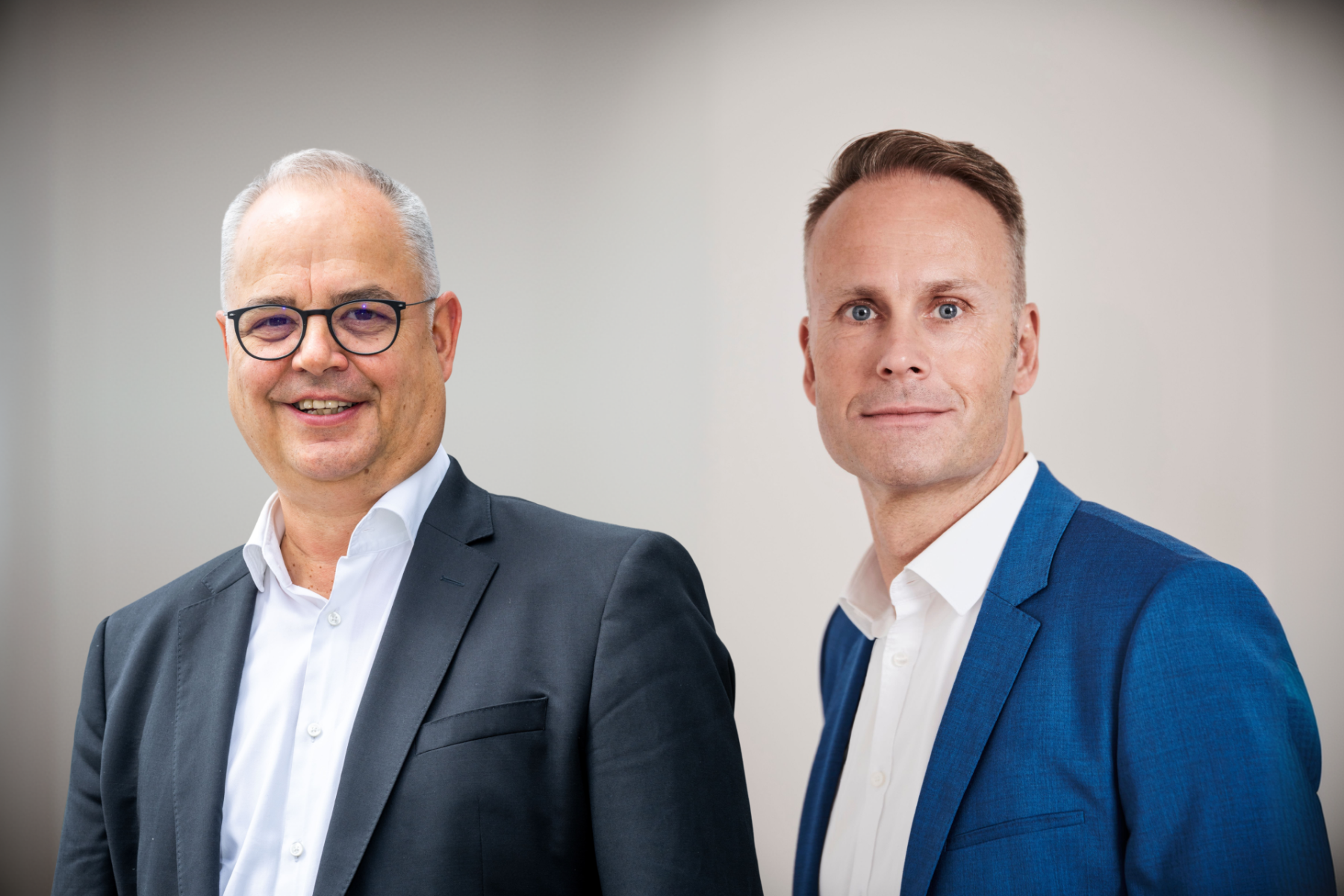
These first two charging stations for electric trucks at the Allianz Arena were commissioned at the end of 2025. Jürgen Muth, Managing Director of the Allianz Arena, and Michael Voll, Head of MAN Transport Solutions, comment on the development of the project and future prospects. Michael Voll: "From our perspective, the Allianz Arena is a logistically ideal location for heavy electric commercial vehicles: it is situated directly at the Munich North motorway interchange – one of Europe’s busiest truck corridors, with up to 10,000 vehicles per day. It also offers excellent technical conditions: the arena has a high-capacity power grid that is only lightly utilized on non-match days, making it ideally suited for high-power charging and, in the future, megawatt charging."
Jürgen Muth: "At present, truck charging is still suspended on match days. However, we are already planning ahead so that, in the future, we can also provide the necessary infrastructure for electric fan coaches. We own the charging equipment and are supported in operating the charging stations by Milence. In this setup, we provide the space and technical prerequisites so that the charging-site operator can offer its specialized commercial-vehicle charging technology. In the long term, electric coaches – such as those used by fan clubs or teams – should also be able to charge there. " MAN has advised the Allianz Arena as a partner from the very beginning – from the initial grid-load analysis and capacity sizing through to the integration of megawatt-charging infrastructure. Michael Voll: "Our
MAN Transport Solutions team always takes a data-driven approach: we model load profiles, use cases, traffic patterns and energy flows. On this basis, a suitable charging concept was developed. Jürgen Muth: A project like this naturally comes with specific challenges. One tricky aspect was the technical connection to the high-voltage grid, as the power requirements for charging several heavy trucks simultaneously are enormous." Jürgen Muth: "We are planning in stages: after the successful launch of the current stations, we continuously assess demand. The long-term vision is a charging park that serves as a model for additional sites – for example at other sports venues, especially in Germany."
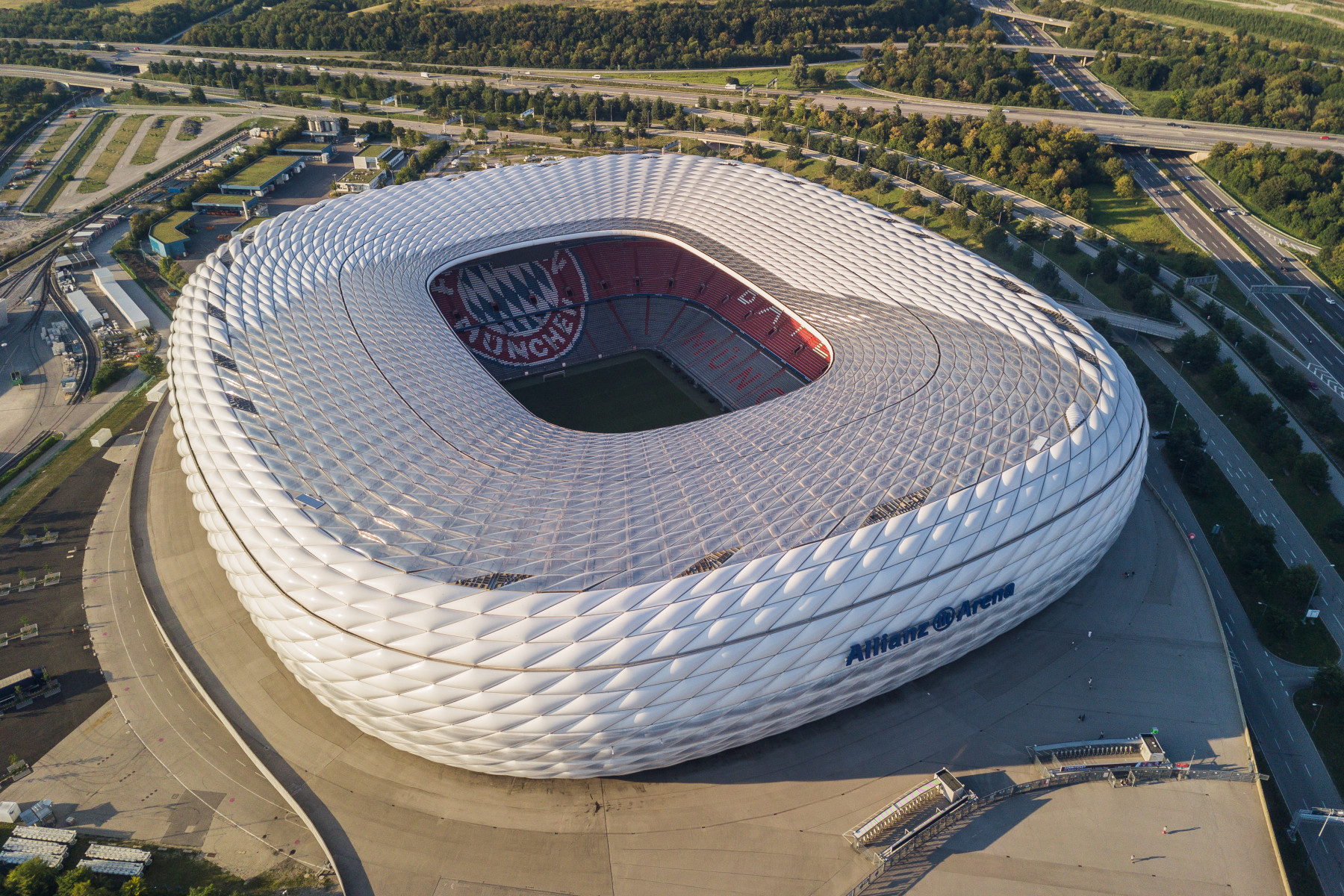
Michael Voll: "Many European stadiums meet all the requirements for truck-charging infrastructure: large grid connections and low utilization outside event days. They also offer sufficient space for heavy-duty charging infrastructure and often have good road access at key transport nodes. The Allianz Arena project shows how such sites can be activated. The basic prerequisites are a resilient medium-voltage grid connection, clear load-management strategies, flexible operating concepts, and partners with expertise in heavy-duty charging infrastructure. If these parameters are in place, stadiums, trade-fair grounds and event venues can become key components of Europe’s e-truck corridors."