

The new eCitaro is presented as a near-production prototype. It is showcased at the Daimler eMobility Days 3.0. The new city bus generation will celebrate its official world premiere at Busworld Europe in Brussels in October 2027 and will have its market launch in 2028, ten years after the debut of the first eCitaro. The new eCitaro is build on a second-generation battery-electric vehicle platform, designed as an all-electric vehicle from the ground up.
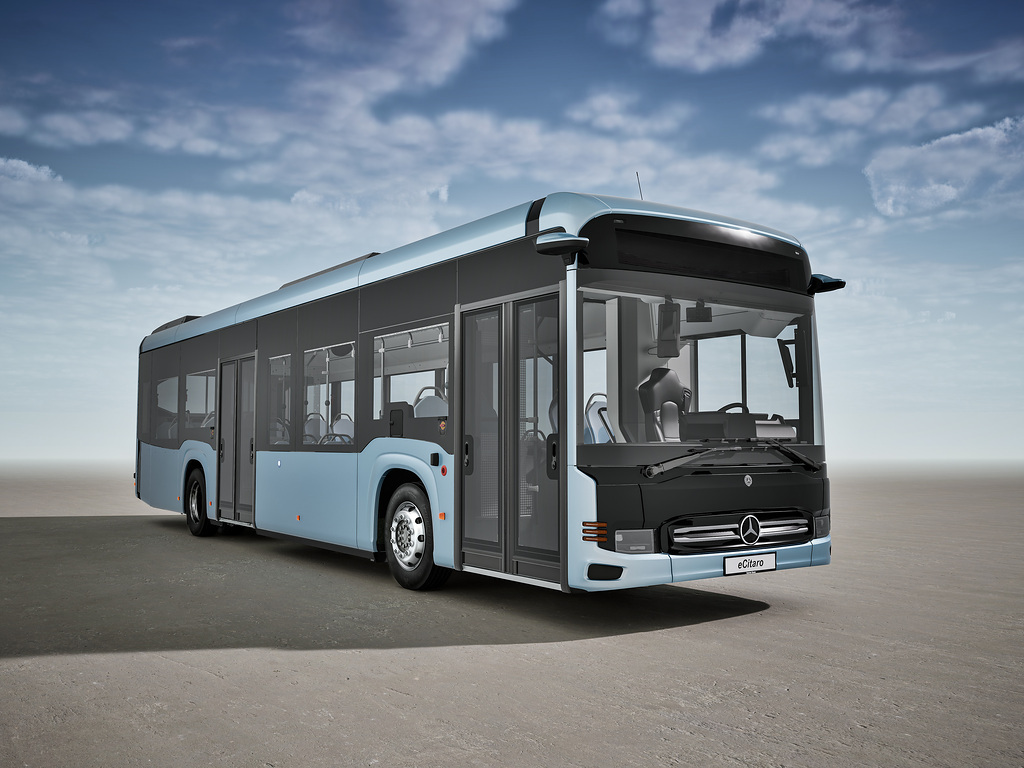
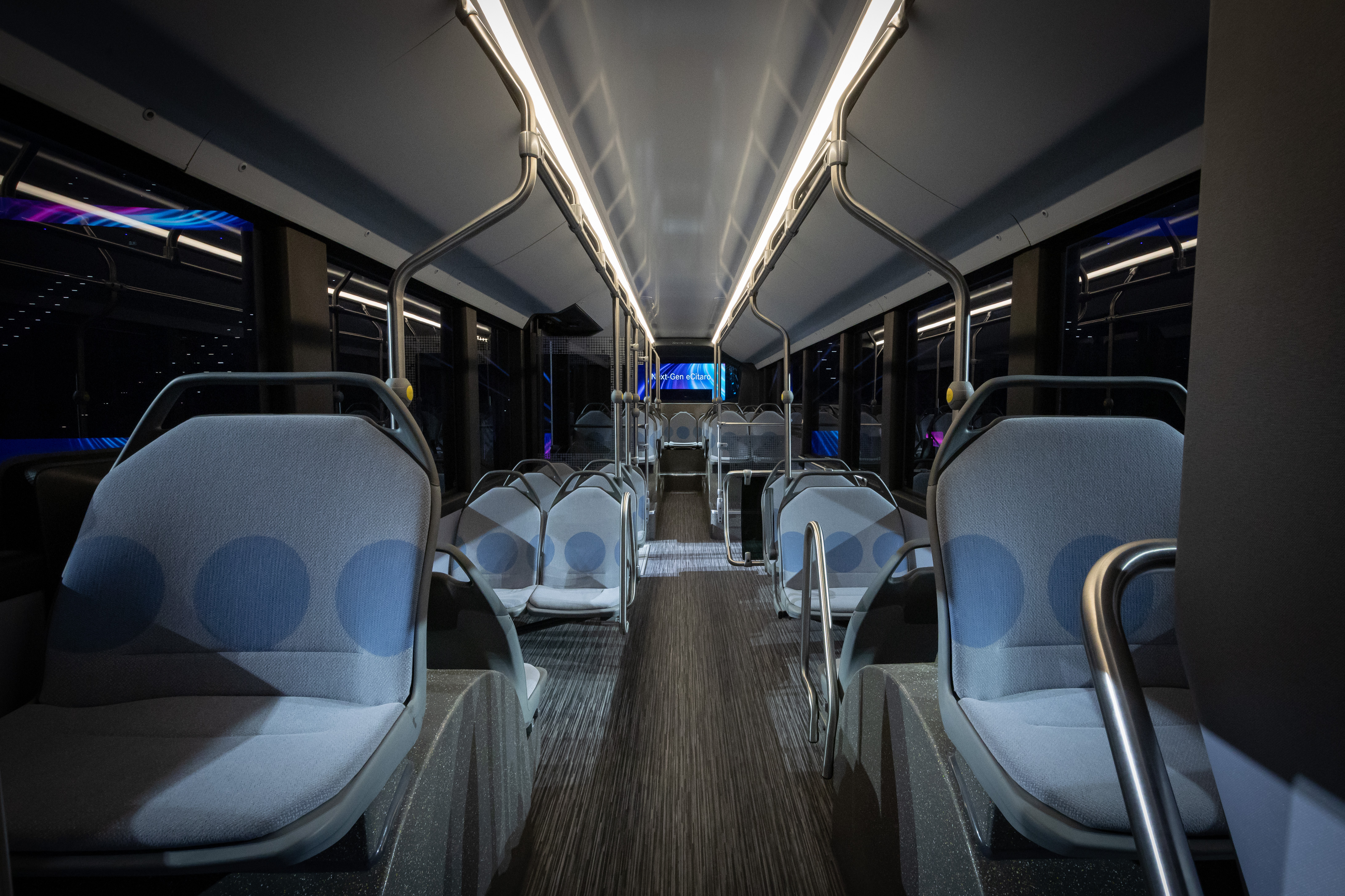
New battery technology, new design with a distinctive Mercedes-Benz look, a digital cockpit and the new MMTI system (Modular Multi Torque Interface) for controlling recuperation and braking are some of the new features. The next generation of the Mercedes-Benz eCitaro is based on an entirely new vehicle platform designed specifically for electric drive. The body shell is completely redesigned, and is build up from a modular architecture with standardized front and rear modules enables seven vehicle variants: three lengths as low-floor city buses (10.63, 12.13 and 18.13 metres) and four lengths in low-entry configuration (10.63, 12.34, 13.08 and 14.68 metres). Component commonality across the entire model range reduces maintenance effort and increases spare parts availability. A new multi-layer sandwich roof with a height of approximately 42 millimetres instead of the previous 70 millimetres has a positive effect on overall vehicle height and reduces vehicle weight by up to 100 kilograms for solo buses and 150 kilograms for articulated buses. With eight compact battery packs, the new generation of city buses weighs around 13,050 kilograms. That is a weight reduction of around 750 kilograms, compared with the 13,800 kilograms for the current eCitaro with five NMC4 battery packs.
Instead of NMC (nickel-manganese-cobalt) cells, the new generation will use LFP (lithium iron phosphate) cell chemistry. The basic building block is a standardized compact battery pack with a capacity of around 50 kWh. Solo buses can be equipped with six to twelve battery packs, while articulated buses can accommodate eight to fourteen packs. Charging capacities can be a maximum of up to 450 kW. The low-floor version of the new eCitaro features the ZF AxTrax 2 LF electric portal axle with wheel-mounted electric motors and a system output of up to 360 kW, significantly more than the approximately 280 kW peak output of the current axle. Thanks to its high output, the articulated bus requires only one driven axle, resulting in a lower unladen weight. The new MMTI system (Modular Multi Torque Interface) controls recuperation and braking individually at each wheel and in real time for the first time. This improves energy efficiency, reduces brake wear and enhances driving stability. By contrast, the low-entry version uses a central motor in combination with the Mercedes-Benz RO 440 rear axle and enables speeds of up to 100 km/h for interurban operation. At the front, independent wheel suspension provides a wide centre aisle and balanced handling.
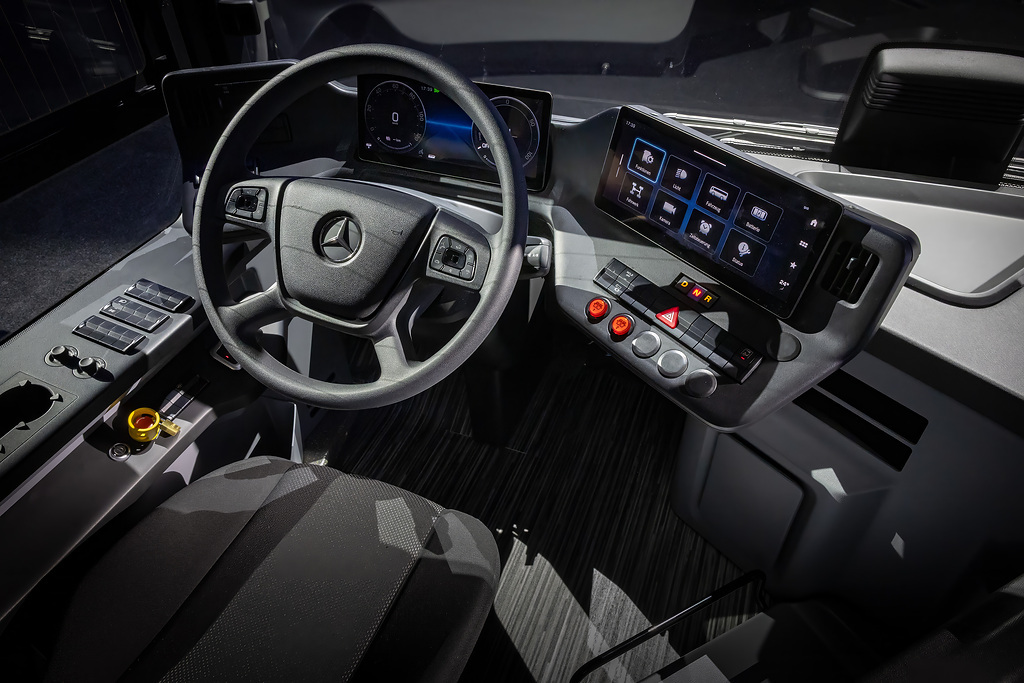
The new cockpit has two large 12-inch displays combining driving information and operating functions. A flexible software platform enable future features to be added. The instrument panel and steering wheel offer greater adjustability for improved ergonomics. An integrated safety concept consisting of a crash-resistant vehicle structure and a comprehensive range of assistance systems protects drivers, passengers and other road users. These systems include the active Preventive Brake Assist 2 with pedestrian detection, the radar-based Sideguard Assist 2 turning assistant, Frontguard Assist for close-range monitoring when moving off, and the camera-based Attention Assist 2, which detects signs of fatigue or distraction. ThexMO (Thermal Exchange Module) is Daimler Buses new integrated thermal management system using natural refrigerant propane (R290). The system combines heating, ventilation and air conditioning while actively utilizing waste heat from the drivetrain and auxiliary consumers.
