

Operators are investing heavily in recruitment, vehicles and working conditions. Elyas Coutts, CEO of Connect Vending, argues that the depot facilities drivers rely on before, between and after their shifts deserve the same attention.
The everyday working environments at bus depots deserve greater attention as operators look to improve driver welfare, job satisfaction, and employee retention. As highlighted in Busworld’s coverage of driver shortages and employee support, investing in staff wellbeing is an important part of attracting and retaining drivers.
The transport industry often invests in recruitment, vehicle technology and working conditions, the facilities drivers encounter before or after their shift can sometimes receive less attention. Small frustrations, such as limited food and drink options or poorly located facilities that aren’t available to all shift patterns, can affect how supported and valued drivers feel.
The overlooked driver experience
Drivers often spend time at the depot before their first journey, signing on and preparing the vehicle. Then they return between routes, for their lunch breaks or for the long stretch between a split shift before finishing their shift, often after the rest of the site has gone home.
The facilities available during these times can shape how the drivers feel about the job. Is there somewhere comfortable to take a break? Can they get a hot drink or a proper meal? Is the room clean and warm? These everyday conveniences say a lot about how supported the employees are.
Loughborough University's 2019 study for Transport for London found that 21% of London bus drivers fought sleepiness at least two or three times a week, and TfL noted that adequate welfare facilities reduce stress, which in turn reduces fatigue risk. Driver welfare also has a wider safety dimension, with Busworld's research into bus transport safety in Europe highlighting the importance of driver safety and working conditions.
So, depot facilities belong in the wider employee experience, not just on a list of operational necessities. Improving driver welfare means considering the entire working day, not only the hours behind the wheel.
The challenge of unsociable hours
Bus drivers often work unsociable hours and early starts, late finishes and split shifts mean drivers need food, drink and somewhere to rest at hours when most facilities are closed. Staffed canteens tend to open in the middle of the operating day, and nearby cafés keep their own daytime hours. Two drivers at the same depot can have quite different experiences purely because of their rota: one has a hot lunch on offer, the other a locked shutter at 4.45am.
One of Connect Vending’s clients in the bus sector highlighted this gap. Cost pressures had cut its staffed canteen back to 7am–3pm, and food was prepared for the breakfast and lunch peaks, so even within those hours there were quiet spells with little available. For drivers starting early, finishing late or breaking outside normal mealtimes, it offered little or nothing. The break room was also dated and underutilised.
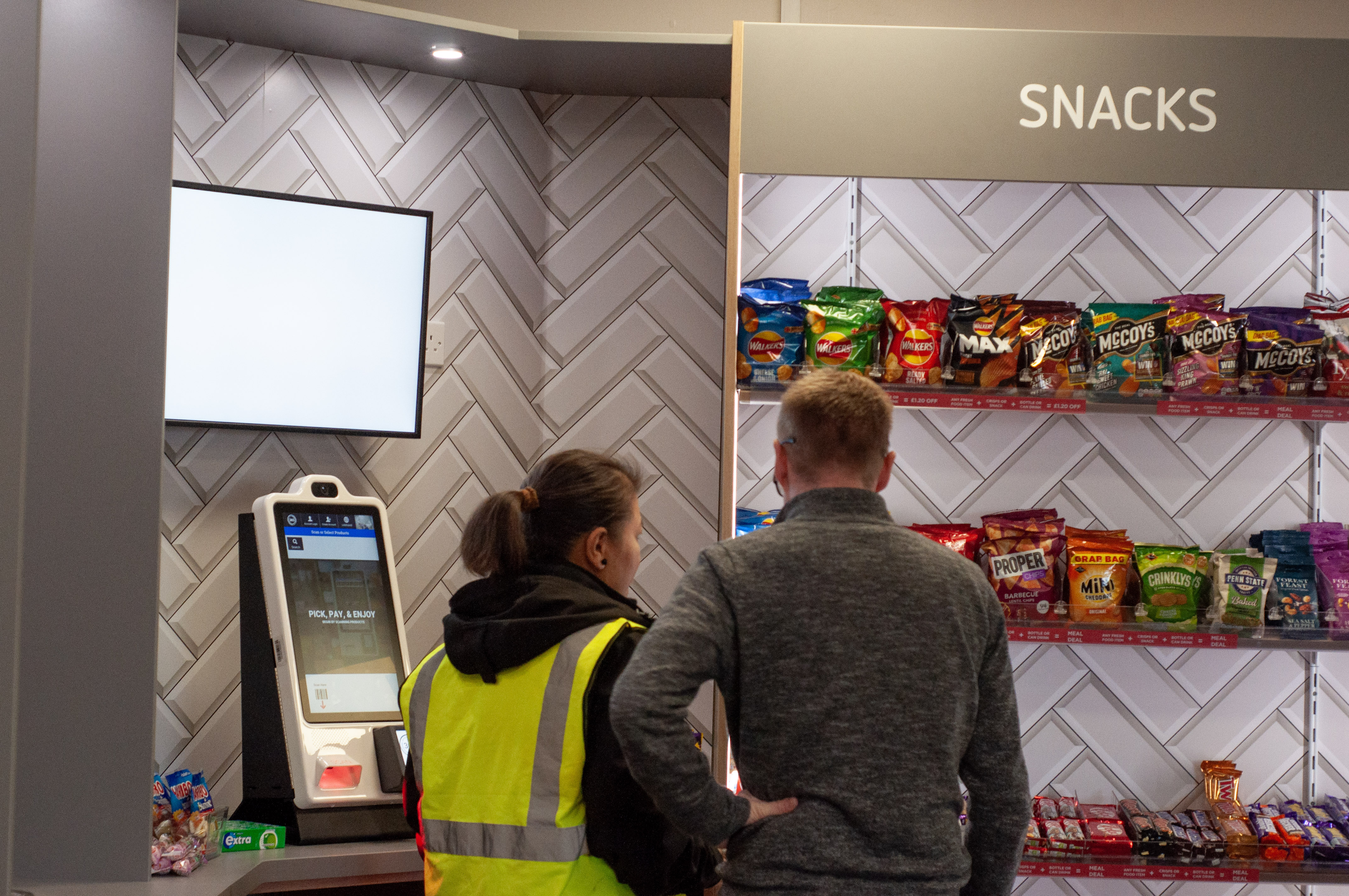
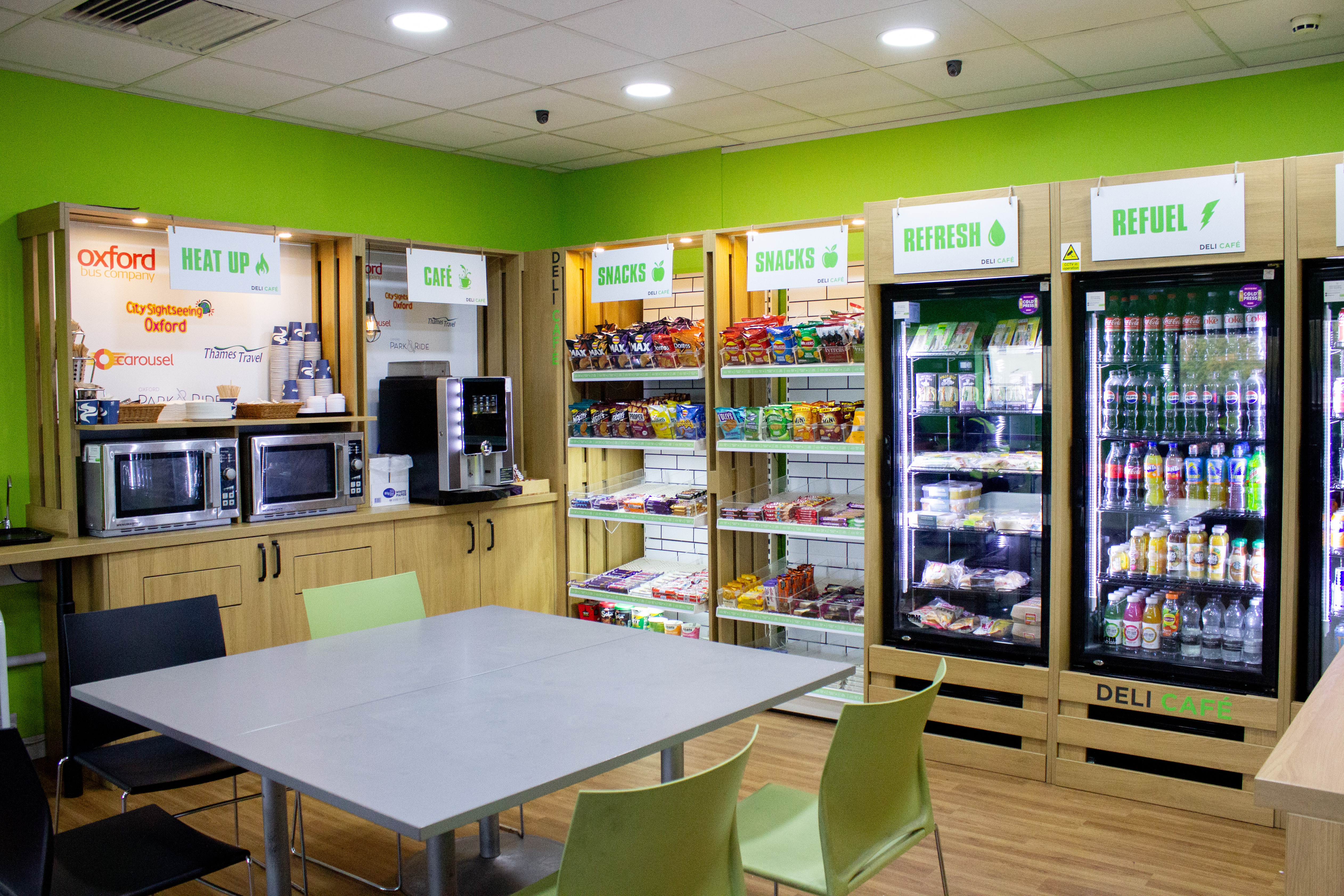
To tackle this problem, the staffed canteen was replaced with a self-service micro market that was stocked with fresh food, snacks, and drinks available around the clock, as well as a break room refurbishment. Staff feedback was strongly positive, especially regarding the range and constant availability, and it was reported that there was a boost in staff morale since the upgrade. For bus drivers who work outside that 7am-3pm window, their daily frustrations were removed.
Making facilities work in practice
Simply providing amenities is only the start. Their placement, accessibility, availability, and upkeep affect whether bus drivers use them. The location of the amenities is one of the most important factors, because bus drivers often have short breaks and a queue or a walk across the yard shrinks their breaktime quickly. In Connect Vending’s experience, refreshments close to the signing-in area, or the drivers' break room are used more regularly than break rooms that are at the other end of the site.
Then there's reliability. A machine that's empty at 3am, or out of order all weekend with nobody to report it to, can be worse than nothing. It promises something it doesn't deliver. Upkeep matters just as much. Clean tables, a working microwave, enough seats at shift change, these cost little, and drivers notice when they slip.
The common mistake is assuming facilities meet staff needs simply because they exist. The effectiveness of staff facilities depends on how well they fit everyday depot operations, and the only way to judge that is to watch how, and when, they're used.
Practical improvements for operators
A few practical improvements that can improve workplace amenities to boost driver satisfaction are:
Plan for every shift. Review the needs of drivers in early, lates and splits, not just those working daytime hours.
- Ask drivers directly. Talk to each shift group, and to reps and welfare committees, about what they use and what gets in the way.
- Find the gaps. Identify the hours when food, drink or a decent place to rest are hard to come by.
- Check location and upkeep. Can drivers reach facilities and get back within a typical break? Are they clean, stocked and working?
- Use what you already have. An underused room, a better-placed corner, or a change to restocking and cleaning times can achieve more than building work.
- Reassess regularly. New routes, rotas, and staffing levels change who's on site and when, so revisit provision when they do.
Small changes, informed by drivers' actual working patterns, can noticeably improve the depot experience.
Conclusion
The depot is part of every driver's working day and so part of how they feel about the job. It's understandable that retention discussions centre on recruitment, wages, schedules, and vehicles. Those are the biggest levers, and no amount of depot investment replaces getting them right. But the smaller details of everyday working life shouldn't be overlooked. A canteen that's closed when your shift starts won't, on its own, make anyone leave. Over months and years, though, these things add up.
So, look at your depots through the eyes of the people working every shift: the first driver out, the split-shift driver waiting mid-afternoon, the last one back after midnight. Do the facilities genuinely meet their needs? Improving driver welfare doesn't always require major investment. Sometimes it begins with understanding the everyday frustrations your staff face and dealing with them.
