

Solaris is introducing a new service offering called “zero-emission vehicle retrofit”, to provide a solution for "older" electric buses by post-warranty replacement of EV components with new ones, "in order to support operators in maximising the return on their e-mobility investments and have the benefits of current EV technology".
Electric buses are becoming the dominant segment in urban fleets and the pace of technological evolution is unprecedented. As an example, batteries installed in vehicles produced a decade ago differ significantly in capacity and performance from those designed today. In recent years a dynamic shift in urban transport fleets has taken place including new charging infrastructure and fleet management solutions. "Zero-emission vehicle retrofit" includes replacing batteries and involves the modernisation of energy storage systems. This electrification transition is taking place in a relative short time with an unprecedented evolution. With this new new service "zero-emission vehicle retrofit" which, through the replacement of specific
electric vehicle components – particularly batteries, but also other elements of the drivetrain – Solaris says it offers an extended lifespan of electric buses. “Zero-emission vehicle retrofit is a service built around customer needs, enabling operators with Solaris buses to ensure vehicle maximum benefits at every stage of its life cycle. The first units are retrofitted for Polish operator MPK Kraków. Solaris is ready to scale-up this offering in all of its certified service points in Europe,” says Marco Franza, Chief Services Officer at Solaris Bus & Coach. For MPK Kraków Solaris is responsible for post-warranty battery replacement in 20 buses: 17 Urbino 12 electric and 3 articulated Urbino 18 electric models.
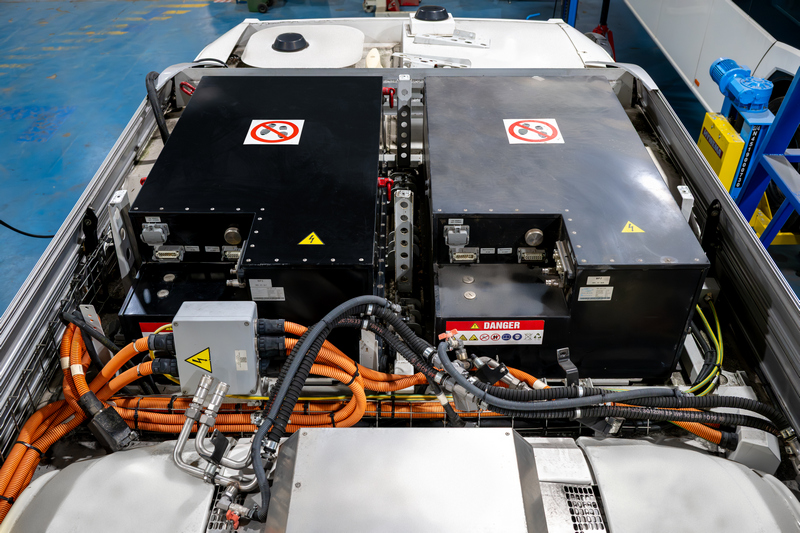
The retrofit service include the replacement of necessary electrical components, the upgrade or installation of a BTMS (Battery Thermal Management System, responsible for battery cooling and heating), updates to the BMS (Battery Management System), and ensuring compatibility of the modified batteries with existing charging infrastructure. The service applies not only to battery buses but also to trolleybuses equipped with batteries and IMC systems, and in the future, to hydrogen buses as well.